Staying Active When Elderly: How Residents Keep Moving
Staying active when elderly helps older adults maintain strength, balance, and the ability to live independently, even into their mid-80s and beyond. Gentle daily movement, such as walking, stretching, or light group fitness, is proven to preserve energy levels, reduce fall risk, and support confidence in everyday routines.
Do you ever wonder why two people of the same age can have entirely different levels of mobility and endurance? The difference is rarely genetics; it's the consistency of movement over time. Today we're taking a closer look at how Conservatory At Champion Forest promotes meaningful daily activity as a lifestyle, and how staying active when elderly contributes directly to long-term independence and daily vitality.
It's great info for seniors in Spring, TX, a well-established suburb just north of Houston, known for its family-friendly neighborhoods, wooded parks, and more.
How Active Should An 85-Year-Old Be?
Movement remains valuable at any age, and that includes someone who is 85. The body may not move as quickly, but regular motion still supports independence and mental clarity.
There are three common types of activity that support an 85-year-old well:
- Gentle walking or guided movement
- Light stretching or balance training
- Social activities that involve natural motion
Gentle Walking or Guided Movement
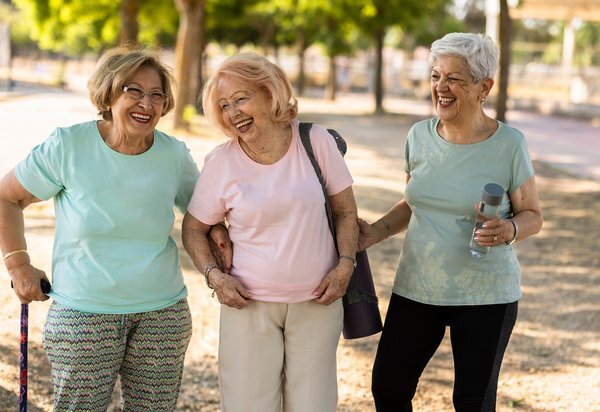
Short walks, whether indoors or outdoors, help circulation and leg strength. Even five to ten minutes, done a few times a day, can make a noticeable difference in stamina.
Light Stretching or Balance Training
Slow and controlled movements support posture and help prevent instability. This kind of movement is often part of senior fitness in Spring, TX programs.
Social Activities That Involve Natural Motion
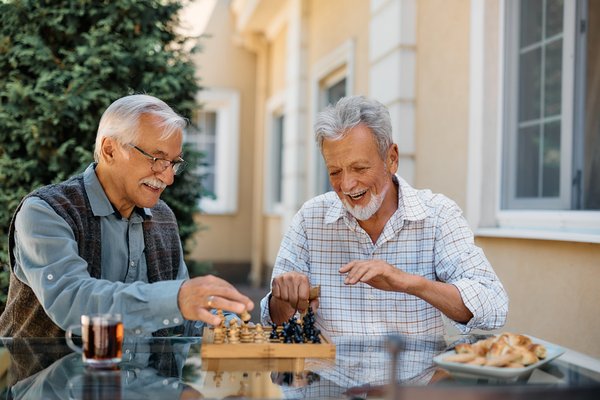
Wellness for older adults can include informal movement such as gardening, games, or group socials. Small, repeated efforts matter most when staying active when elderly.
How Can You Tell When an Elderly Person Is Declining?
Changes in daily movement often appear before changes in speech or memory. Decline is not always sudden. It can begin quietly through reduced activity or hesitation during normal routines.
There are a few common signs to watch for:
- Reduced walking distance
- Lower energy or growing fatigue
- Loss of initiative with independent living activities
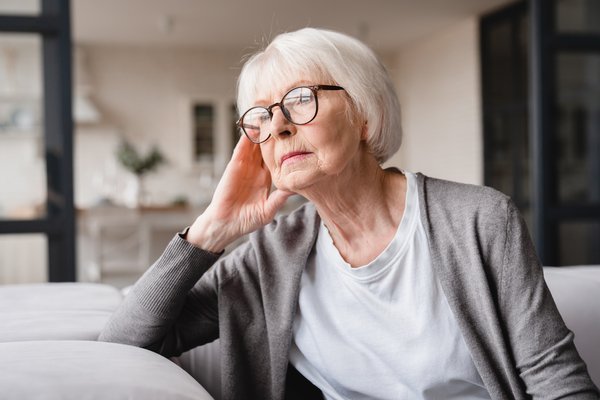
- Emotional withdrawal or isolation
Reduced Walking Distance
An older adult may begin taking shorter routes, avoid certain hallways, or sit down more often between tasks. These are early physical changes that should not be ignored.
Lower Energy or Growing Fatigue
Wellness for older adults is directly tied to stamina. When someone is tiring more quickly than before, it often points to reduced movement or cardiac strength.
Loss Of Initiative with Independent Living Activities
Tasks that were once automatic may be delayed or avoided. This includes things like dressing or moving to meals.
The Importance of Staying Active When Elderly
Staying active when elderly supports muscle strength, balance, and confidence in everyday movement. Many older adults feel less steady on their feet as they age, but regular movement can slow that decline and help them feel more in control. Even when aging brings physical limits, movement still gives the body signals to keep working well.
Movement in retirement reduces the risk of falls and supports circulation, which affects both physical and cognitive sharpness. Walking, stretching, or standing with support all stimulate the body in small but powerful ways. These simple efforts help maintain reaction time, which plays a major role in preventing injuries.
Active aging programs often include guided group movement, breathing sessions, and balance-focused exercises. These kinds of routines protect mobility over time rather than responding only after mobility is lost.
They also support emotional security, making movement feel natural instead of forced. Staying active is one of the strongest ways to extend independence.
How Residents Maintain Energy and Independence Through Movement
Movement has a direct effect on how confident someone feels when completing daily tasks on their own. When an older adult keeps moving, their body responds with better balance, steadier posture, and stronger awareness of their surroundings. That makes daily choices feel easier and less tiring.
Movement in retirement is most effective when it supports natural routines such as dressing, walking to meals, or standing during conversations. These motions do not need to be long or intense.
They simply need to happen often. Repetition tells the body to hold on to strength and coordination rather than letting it decline.
Wellness for older adults is about more than physical safety. There is often a visible change in mood when movement becomes part of their rhythm again.
Even small progress, such as walking without holding onto a chair, builds self-trust. Staying active when elderly keeps independence alive longer by reinforcing both energy and confidence.
Frequently Asked Questions
Is It Ever Too Late For Someone In Their Late 80s To Start Moving More?
It is not too late. A person in their late 80s can still benefit from simple motions such as seated stretching or light walking with support. Staying active when elderly can improve circulation and mood even when started later, as long as movement is gentle and consistent.
What Types Of Movement Help With Joint Pain Instead Of Making It Worse?
Slow and supported range of motion exercises are often helpful. Chair yoga, water fitness, or light resistance bands allow movement without pressure on the joints. These options are commonly included in active aging programs because they protect comfort while still engaging the muscles.
How Do You Keep Someone Motivated If They Do Not Enjoy Exercise?
Formal workouts are not the only option. Movement in retirement can come from gardening, folding laundry with purpose, walking to meet others, or playing familiar games. Making motion feel social or useful often leads to better consistency than scheduling exercise sessions.
Staying Healthy in Spring
Staying active when elderly is a steady way to protect confidence, energy, and daily independence.
At Conservatory At Champion Forest, we offer an elevated yet approachable senior living experience in one of Houston's most desirable suburbs. Residents enjoy resort-style amenities including a pool, putting green, theater, salon, fitness center, library, and beautiful gathering spaces. Our award-winning Culinary Director leads a dining program known for both gourmet meals and unforgettable desserts.
Get in touch to find out how we can help with your loved one's retirement years.