Maintaining cognitive health becomes increasingly important as we age. Engaging in regular brain programs for seniors can make a meaningful difference in quality of life. Research shows that challenging the mind through various programs helps build cognitive reserve, which may protect against age-related decline. For older adults living independently, incorporating these programs into daily routines creates opportunities for mental stimulation, social connection, and personal growth.
Whether your loved one enjoys solo pursuits or group programs, there are countless ways to keep the mind active. The key is finding programs that match individual interests and abilities while providing the right level of challenge. Many Independent Living communities recognize the importance of cognitive wellness. They offer diverse programming to support brain health in enjoyable, accessible ways.
The Power of Lifelong Learning
Learning new skills stands among excellent brain programs for seniors because it creates fresh neural pathways and keeps the mind flexible. Taking classes in subjects like languages, history, or technology provides structured mental challenges that strengthen cognitive function. Many communities offer educational programs, book clubs, and lecture series that make learning a social experience.
Technology classes deserve special mention. Learning to use tablets, smartphones, or computers provides multiple cognitive benefits. These skills help older adults stay connected with family, access information, and engage with digital resources. The problem-solving required to navigate new technology exercises memory, attention, and executive function at the same time.
Creative Expression and Cognitive Health
Artistic pursuits offer powerful brain health programs for those we serve while providing emotional satisfaction and stress relief. Popular creative programs that engage multiple brain regions include:
- Painting and drawing, which combine fine motor skills with creative thinking and visual processing
- Pottery and ceramics, which require hand-eye coordination and spatial awareness
- Crafts like knitting or woodworking, which strengthen concentration and problem-solving abilities
The focus required during artistic programs can be meditative. It reduces anxiety while strengthening concentration.
Music represents another quality avenue for cognitive engagement. Playing an instrument, singing in a choir, or even listening to music actively stimulates various brain areas. Music therapy has shown particular promise in supporting memory and emotional well-being. For those who have never played an instrument, learning one later in life provides an excellent cognitive workout. It combines auditory processing, motor skills, and memory all at once.
Games and Puzzles for Mental Fitness
Strategic games and puzzles rank among the most popular memory exercises for community members. They offer enjoyable ways to challenge cognitive abilities. Games that require planning, strategy, and memory skills include:
- Chess, which strengthens strategic thinking and long-term planning
- Bridge and mahjong, which combine memory with social interaction
- Crossword puzzles and Sudoku, which offer varying difficulty levels
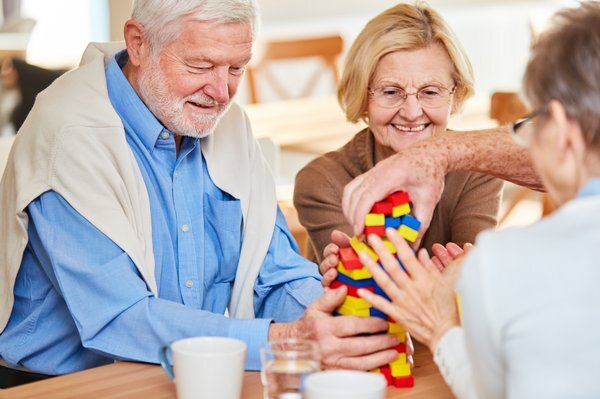
- Jigsaw puzzles, which enhance visual-spatial reasoning and patience
Board games and card games combine cognitive benefits with social interaction, addressing both mental and emotional wellness. Group game sessions in community settings create opportunities for friendship while providing structured mental challenges. The social aspect adds an important dimension. Meaningful connections with others contribute significantly to overall cognitive health.
Physical program and Brain Function
The connection between physical and cognitive health cannot be overstated. Exercise increases blood flow to the brain, promotes the growth of new brain cells, and releases chemicals that protect cognitive function. programs like walking, swimming, or tai chi provide both physical benefits and mental stimulation, especially when done in groups or new environments.
Dance deserves special recognition as a brain stimulating program because it combines physical movement with memory, rhythm, and social interaction. Learning choreography challenges the brain to remember sequences while coordinating movements. Many communities offer dance classes specifically for older adults, from ballroom to line dancing. This makes dancing accessible regardless of previous experience.
Social Connection and Cognitive Wellness
Regular social interaction serves as one of the most important programs related to what programs help prevent dementia. Meaningful conversations require active listening, recall, and verbal expression. All of these exercise cognitive abilities. Joining clubs, volunteering, or participating in group programs creates natural opportunities for social engagement while pursuing shared interests.
Community settings that promote cognitive wellness through social connection include:
- Community dining programs, which encourage conversation during shared meals
- Discussion groups and book clubs, which stimulate critical thinking through diverse perspectives
- Collaborative projects and volunteer opportunities, which provide purpose and teamwork
- Special interest clubs, which connect residents around shared hobbies and passions
The emotional support gained through friendships also contributes to overall well-being, which supports cognitive health.
Supporting Brain Health Through Community Living
Independent Living communities like Conservatory at Champion Forest in Spring, TX, understand that cognitive wellness requires a comprehensive approach. These communities design programming to incorporate various brain stimulating programs for individuals throughout each day. From morning fitness classes to evening card games and educational presentations, residents have plenty of opportunities to stay engaged.
The structured yet flexible environment of community living makes it easier to maintain consistent engagement in brain programs for residents. With diverse options readily available and peers to share experiences with, residents can explore new interests while maintaining familiar pursuits. This balance of novelty and routine creates an ideal environment for supporting long-term brain health and overall quality of life.
Find compassionate care tailored to your loved one's needs at Conservatory at Champion Forest. Schedule a personalized tour and learn how we can support your family.