
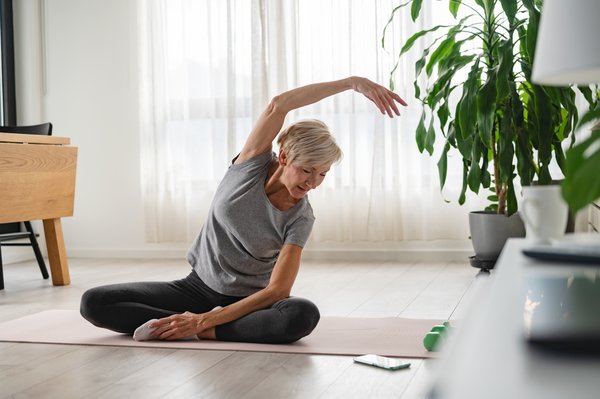
Falls are one of the most common health concerns for older adults, affecting millions each year. The good news is that adding simple balance exercises for seniors into a daily routine can significantly reduce that risk. These movements help strengthen core muscles, improve coordination, and build confidence in everyday life.
Residents at Conservatory At Champion Forest benefit from a maintenance-free lifestyle that makes staying active easy through fitness programs, walking paths, or group wellness classes. Whether someone lives independently or in a community, incorporating balance and stability exercises can support long-term mobility and overall well-being.
Understanding which exercises are most effective and how to perform them safely can make all the difference. This guide outlines practical fall prevention for seniors with strategies that families and residents can use together.
Understanding Why Balance Changes With Age
As the body ages, several natural changes can affect balance and coordination. Muscle strength may decrease, especially in the legs and core. Vision shifts can make it harder to judge distances. Additionally, the inner ear, which plays a key role in balance, becomes less responsive. Some medications may also cause dizziness, and reduced joint flexibility can impact posture and walking patterns.
Many older adults do not notice these changes until they experience a near fall or an actual fall. That is why starting exercises for balance for seniors early can be so beneficial. With consistent practice, stability often improves over time. Even those who have experienced falls can rebuild confidence through gentle, regular movement.
Simple Standing Exercises to Start Today
Standing movements are some of the best balance exercises for seniors because they strengthen key muscles used in everyday activities. These exercises require little to no equipment and can easily fit into a daily routine.
- Single-leg stand: Hold a sturdy chair or countertop and lift one foot slightly off the ground for about 10 seconds. Switch sides. As balance improves, try letting go briefly.
- Heel-to-toe walk: Place one foot directly in front of the other, heel touching toe, and walk in a straight line for 20 steps.
- Side leg raises: Hold onto a chair and lift one leg out to the side, keeping it straight. Pause, then lower slowly. Repeat 10 times on each side.
These balancing exercises for seniors help build strength gradually, making everyday movements like walking or standing feel more secure.
Chair-Based Exercises for Added Safety
For those who are just beginning or prefer extra support, chair-based routines are a safe and effective option. These balance exercises for seniors help build strength without increasing fall risk.
- Seated marching: Sit upright and lift knees one at a time to engage the core.
- Ankle circles: Rotate each ankle to improve flexibility and circulation.
- Sit-to-stand: Practice standing up from a chair without using hands to strengthen leg muscles.
- Rock and reach: While seated, reach forward and overhead to maintain range of motion.
These exercises support functional movements, like reaching for items or standing up safely, and are especially helpful during recovery or after periods of inactivity.
Incorporating Tai Chi and Gentle Movement Programs
Many experts recognize Tai Chi as one of the most effective balance and stability exercises for older adults. Its slow, controlled movements help improve coordination, flexibility, and body awareness. Shifting weight from one leg to the other teaches control and builds confidence.
Residents at Conservatory At Champion Forest can take part in group wellness programs that make staying active both social and enjoyable. Structured programs like these provide consistency while encouraging connection with neighbors.
Yoga can also support balance through gentle poses that strengthen the core and improve coordination. Practicing movements like a supported tree pose can help build stability over time. These approaches also promote relaxation, which can improve focus and reduce the risk of falls.
Creating a Safe Exercise Environment at Home
A safe environment is essential when practicing fall prevention for seniors. Small adjustments can make a big difference in preventing injuries.
- Remove tripping hazards such as loose rugs and clutter
- Ensure good lighting in exercise areas
- Keep a sturdy chair or counter nearby for support
- Wear non-slip, supportive shoes
- Set aside 10 to 15 minutes twice daily for practice
Move slowly and with intention. If dizziness or discomfort occurs, stop and consult a healthcare provider. Progress takes time, and consistency matters more than speed.
Building Long-Term Habits With Family Support
Sticking with exercises for balance for seniors becomes easier when it is part of a shared routine. Family members can join in during visits or connect virtually to practice together. This not only builds accountability but also turns exercise into meaningful time together.
In a community setting like Conservatory At Champion Forest, structured wellness programs help residents stay consistent while enjoying social interaction. From fitness classes to walking groups, these opportunities support both physical and emotional well-being.
Families and community teams can also work together to adjust routines as needs change, ensuring each resident continues to feel confident and supported.
Find a lifestyle that encourages and enhances independence at Conservatory At Champion Forest. Schedule a personalized tour to learn how we can support you.